

Sun Safety
Adults of all ages – and especially children – should take steps against sun exposure from April through September:
- Use sunscreen rated SPF-15 or higher with both UVA and UVB protection. Remember that last year's sunscreen may not still be effective. Check the expiration date on the packaging.
- Apply sunscreen half an hour before you go outside for full effectiveness. More sunscreen tips
- Seek shade, especially during midday when the sun's rays are strongest and do the most damage. Avoid direct exposure between 10 a.m. and 4 p.m., and seek shade under an umbrella or tree.
- Cover up with clothing to protect exposed skin. Loose-fitting long-sleeved shirts and long pants made from tightly woven fabric offer the best protection. Light clothing is not a substitute for sunscreen: a T-shirt only has an SPF of about 4.
- Get a hat with a wide brim to shade the face, head, ears, and neck. UV rays can reach anyone on cloudy and hazy days as well as bright and sunny days
- Wear sunglasses that wrap around and block as close to 100 percent of both UVA and UVB rays as possible. Sunglasses protect both the eyes and tender skin around the eyes from sun exposure.
Heat Hazards
Summer also brings prolonged high temperatures that can cause illness and even death. The elderly, children, and people with certain medical conditions such as heart disease are at greatest risk. Even young and healthy individuals can succumb to heat if they participate in strenuous physical activities during hot weather.
- Drink plenty of fluids, especially water.
- Avoid alcohol and caffeinated drinks.
- Relax and avoid strenuous activity, especially after noon, when the heat is highest.
Heat Exhaustion, Heat Stroke, and Hot Cars
Heat exhaustion, heat stroke, and leaving children or pets in hot cars during summer months are real dangers. Read here to distinguish between the two and to avoid the dangers: https://msdh.ms.gov/page/43,3942,456,261.html
West Nile Virus and Other Mosquito-Borne Illnesses
Healthier Holidays in 1, 2, 3!
- Give yourself the gift of better health this holiday season.
- Try these tips to add more movement to your day and healthy food to your plate.

Stay active
Even a few minutes of moderate-intensity physical activity can deliver some health benefits and count toward reaching the recommendations. For adults, the many benefits of physical activity include reduced short-term feelings of anxiety and better sleep.
Some tips for staying active during the holidays include:
- When shopping, walk a few laps around the shopping center before going into stores.
- Take the stairs at every opportunity. If you can't climb all the stairs, take the stairs part way, then the elevator.
- Rather than hunting for the closest parking spot, park farther away and walk briskly to your destination.
- When friends and family gather, go for a group walk. You can make the walk more fun by turning it into a scavenger hunt.
- Play an active group game in your yard or local park.
- Bundle up and take a walk instead of a drive to see holiday lights.
Eat healthy
Eating well supports muscles and bones, boosts immunity, helps the digestive system, and aids in weight management, among other health benefits for children and adults. Good nutrition involves eating a variety of healthy foods. To do that during the holidays:
- If you eat foods that are high in calories, saturated fat, or added sugars, choose small portions and only eat them once in a while. Opt for healthier foods most of the time.
- At parties and other gatherings, fill your plate with your favorite fruits and vegetables first, then add small portions of less healthy items.
- If you are taking food to a party, make it your favorite healthy dish. Then you'll be sure that at least one item at the party will be a healthy choice that you enjoy.
- Make healthier versions of your traditional recipes by using ingredients with less fat and salt.
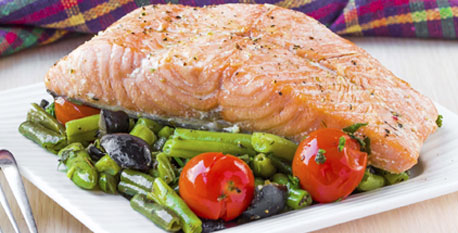
- Spice up baked fish or chicken by adding salsa or black bean sauce.
- Consider beans in place of higher-fat meats.
Plan activities that don’t involve eating
Here are some ideas for shifting the focus away from food during the holiday season:
- Volunteer in your community.
- Try a seasonal activity such as ice skating or winter hiking.
- Go on a walk and explore a new area with a friend or family member.
- Visit that museum or exhibit you've been wanting to see.
Consider what new healthy traditions you can start this year. The possibilities are endless!
Stay Healthy in the Fall and Winter
-
Manage stress: Engage in stress-reducing activities such as meditation, yoga, or reading.
By following these tips, you can help ensure a healthier and more enjoyable fall and winter.